
10 Practical Strategies to Reclaim Your Budget
Living on a tight budget often feels like trying to run a marathon while wearing lead boots. The constant weight of making ends meet can strain even the most resilient spirit, casting a shadow over your daily joys and your closest relationships. It is not just about the numbers on a screen; it is about the quiet anxiety that hums in the background when an unexpected bill arrives or when you have to decline a dinner invitation from friends. Financial pressure is one of the most significant stressors in adult life, often leading to a sense of restricted freedom and a fear that your dreams are permanently on hold.
However, managing a lean income does not have to mean a life of deprivation. It requires a shift in perspective—from seeing a budget as a cage to seeing it as a roadmap. When you take intentional control of your cash flow, you stop being a passive observer of your financial life and start becoming its architect.
By implementing specific, clever strategies that prioritize value over price tags, you can create a sense of abundance even when the margins are thin. This journey is about reclaiming your agency, reducing friction with your partner, and building a foundation that supports the life you actually want to lead.
1. Conduct a Radical Financial Audit
Before you can change where you are going, you must be brutally honest about where you are. Most people have “ghost expenses”—small, recurring charges for services they no longer use or value. A radical audit involves printing out your last three months of bank statements and categorizing every single cent. It is not about shaming yourself for that latte; it is about identifying patterns. Are you paying for a gym membership you haven’t visited since January? Is there a premium streaming service you only used for one show?
This process also highlights the “convenience tax” we often pay. This includes delivery fees, service charges for apps, and the extra cost of pre-cut vegetables. When you see these numbers totaled up over a quarter, the impact is startling. Awareness is the first step toward behavioral change. By identifying these leaks, you can plug them immediately, often saving a significant amount without actually changing your standard of living. This is the foundation of Budgeting with Your Honey? It’s Easier Than You Think, where transparency becomes the bridge to shared security.

2. Master the Art of Strategic Meal Planning
Food is typically the most flexible part of a household budget, yet it is where most people overspend due to a lack of planning. Clever saving starts with your pantry, not the grocery store. Inventory what you already have and build a week of meals around those ingredients. This prevents the “double-buy” trap. When you do head to the store, shop with a strict list and a full stomach. Decision fatigue is real; after a long day at work, your brain is more likely to reach for expensive, processed convenience foods if you haven’t already decided what’s for dinner.
Consider the “Generic Swap.” Most store-brand staples like flour, salt, canned beans, and even some medications are chemically identical to their name-brand counterparts but cost 30% to 50% less. Additionally, embrace meatless Mondays or “pantry nights” where you challenge yourself to create a meal from whatever is left in the cupboards. This reduces waste and forces creative cooking that often results in surprisingly delicious discoveries.

3. Implement the 72-Hour Cooling-Off Rule
Impulse buys are the silent killers of a tight budget. We live in a world designed to trigger our “buy now” instincts through targeted ads and one-click checkouts. To counter this, implement a mandatory 72-hour cooling-off period for any non-essential purchase over a certain threshold (e.g., $20 or $50). If you see something you want, add it to a list or a digital cart, but do not check out.
Most of the time, the dopamine hit of “wanting” the item fades within three days. You will often find that you didn’t actually need the item or that the desire was just a response to stress or boredom. This habit builds a psychological buffer between the impulse and the action, giving your rational brain time to catch up. It is a simple way to ensure that your money is only spent on things that bring genuine value to your life.

4. Redefine Gift-Giving Through Creativity
Special occasions can be a source of immense financial anxiety when money is tight. We often equate the price of a gift with the depth of our affection, but this is a false narrative. Some of the most cherished gifts are those that cost the least in terms of currency but the most in terms of thought and effort. Instead of a store-bought item, consider what skills you have. Can you offer a “coupon book” for chores, a home-cooked gourmet meal, or a curated playlist of songs that define your relationship?
For romantic partners, there are many 10 Heartfelt Birthday Gifts for Your Boyfriend on a Budget that focus on experience and sentiment rather than luxury. A framed photograph of a meaningful moment or a handwritten letter detailing why you appreciate him can carry far more weight than an expensive watch. Shifting the focus from consumption to connection protects your bank account while strengthening your bond.

5. Optimize Your Subscriptions and Fixed Bills
Many of us accept our monthly bills as static, but they are often negotiable. Set aside two hours to call your internet provider, your insurance company, and your mobile carrier. Mention that you are looking for ways to reduce your expenses and ask about current promotions or “retention” plans. Frequently, companies will offer a discount or a better rate just to keep you as a customer. This is especially true if you have been with them for a long time.
Simultaneously, use a subscription tracker. Many apps now help you find and cancel those $5 or $10 monthly charges that you’ve forgotten about. Even a small saving of $15 a month adds up to $180 a year. That is an extra week of groceries or a significant contribution to an emergency fund. Treat your fixed expenses as a moving target and revisit them every six months to ensure you are still getting the best value.

6. Embrace the “High-Quality Low-Cost” Social Life
Socializing is often the first thing to go when we try to save, leading to isolation and resentment. However, connection does not require a high price tag. Instead of meeting friends at an expensive restaurant, suggest a “potluck” dinner where everyone brings a simple dish. Instead of going to the cinema, host a movie night with homemade popcorn. Many cities offer free community events, outdoor concerts, or gallery nights that provide excellent entertainment for the cost of parking.
The key is to be open with your circle. You don’t have to disclose your full financial situation, but saying, “I’m being really intentional with my spending right now, can we try something low-key?” is often met with relief. Your true friends value your company, not the venue. This approach allows you to maintain your social health without sacrificing your financial goals.

7. Use the Power of “Micro-Savings” Apps
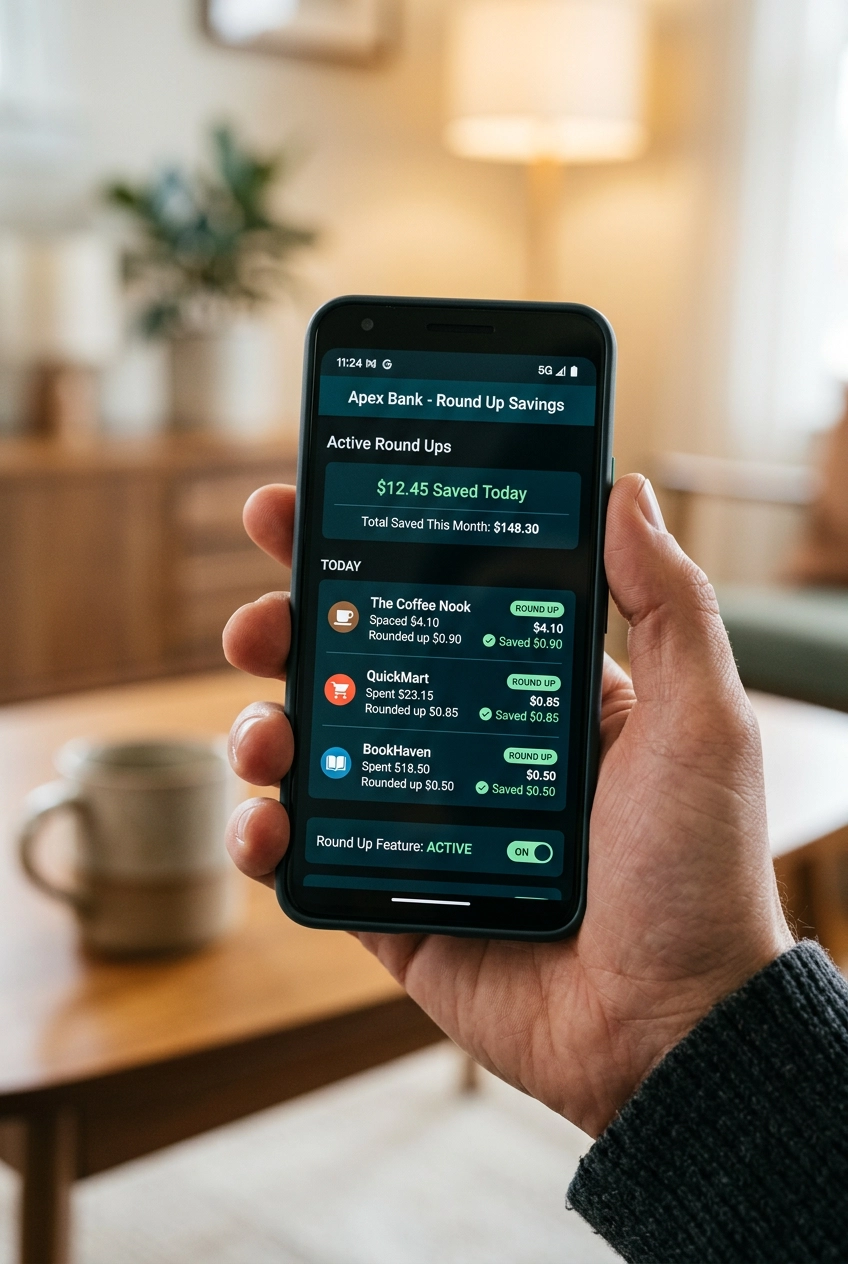
Saving $500 at once feels impossible when you are on a tight budget. Saving 50 cents, however, feels like nothing. Micro-saving apps work by rounding up your purchases to the nearest dollar and putting the change into a separate account. You won’t notice the difference in your daily spending, but over a month, those nickels and dimes can grow into a decent “rainy day” fund.
This psychological trick removes the friction of saving. Because it happens automatically, you don’t have to make a conscious decision to put money aside every day. It bypasses the part of our brain that feels “loss” when we move money into savings. While this shouldn’t be your only saving strategy, it is a brilliant way to build a small buffer without feeling any pain.
8. Invest in Maintenance to Avoid Repairs
When money is tight, it’s tempting to skip the oil change or ignore the leaky faucet to save a few dollars today. This is a “poverty trap.” Small, low-cost maintenance tasks prevent massive, high-cost repairs later. Spending $50 on a basic car service can prevent a $3,000 engine failure. Keeping your home clean and dry prevents mold issues that are expensive to remediate.
This applies to your health as well. Regular dental cleanings and preventative doctor visits are far cheaper than emergency procedures. View these small expenses not as “costs” but as insurance policies for your future self. Taking care of what you already own extends its lifespan and keeps your long-term budget predictable.

9. Shop the “Secondhand First” Rule
Before buying anything new—from clothes to kitchen appliances to furniture—check the secondhand market. Platforms like Facebook Marketplace, thrift stores, and local “Buy Nothing” groups are goldmines for high-quality items at a fraction of the retail price. Often, people sell things they’ve barely used because they are moving or simply want to declutter.
This approach requires a bit more time and patience, but the savings are astronomical. You can often find premium, “buy-it-for-life” brands for the same price as cheap, disposable alternatives. Not only is this better for your wallet, but it is also significantly more sustainable for the planet. It turns the act of shopping into a treasure hunt rather than a chore.

10. Align Your Spending with Shared Values
Budgeting is far more successful when it is tied to a “why.” If you are saving just for the sake of saving, it is hard to stay motivated. If you are saving so that you and your partner can eventually buy a home or take a dream trip, the daily sacrifices feel meaningful. Discuss your long-term vision together. When you both agree on the destination, the “no” to a random purchase becomes a “yes” to your future.
This alignment reduces conflict. Instead of feeling like one person is the “fun police,” you become a team working toward a common goal. This is a core part of long-term success, as explored in Money Fights? Not Anymore! Your Couple’s Guide to Financial Planning. When your spending reflects your values, you stop feeling deprived and start feeling empowered.

Key Takeaways & Action Steps
- Audit Immediately: Print your last three bank statements tonight and highlight every “ghost” subscription or recurring fee.
- The 72-Hour Rule: Commit to waiting three days before any non-essential purchase over $25.
- Shop Your Pantry: Before your next grocery trip, make three meals using only what you currently have in your kitchen.
- Negotiate: Call one service provider (phone, internet, or insurance) this week and ask for a lower rate.
- Value-Based Planning: Sit down with your partner and define one major goal you are saving for; name your savings account after it.
Common Questions About Saving on a Tight Budget
What if my partner and I have completely different spending habits?
This is one of the most common hurdles. The key is not to force the other person to change overnight but to find a middle ground. Start with a “no-judgment zone” where you both list your priorities. Often, “overspending” is actually just a different way of seeking comfort or reward. By creating a budget that includes a small “personal allowance” for each person to spend however they want, you can reduce tension and give each other a sense of autonomy within the larger financial plan.
How can I save money if I’m barely making enough to cover rent?
When you are at the survival level, traditional saving advice can feel insulting. In this situation, the focus shifts from “saving” to “reducing outflow” and “increasing inflow.” Look for community resources like food pantries or utility assistance programs to lower your fixed costs. Simultaneously, look for small ways to increase income, such as selling unused items or picking up micro-tasks online. Even saving $5 a week is a victory because it establishes the *habit* of saving, which is vital for when your income eventually increases.
Does living on a budget mean I can never have fun?
Absolutely not. In fact, a budget is what *allows* you to have fun without the guilt. By setting aside even a tiny amount specifically for “fun,” you give yourself permission to enjoy it. The goal is to shift your definition of fun away from commercialized experiences toward genuine connection and creativity. High-quality living is defined by the depth of your experiences, not the price of the ticket.
How do I deal with the “FOMO” (Fear Of Missing Out) when friends are spending?
FOMO is a psychological reaction to a perceived loss of status or connection. To combat it, be the one to initiate the plans. If you suggest the activity (like a hike or a board game night), you control the cost. You’ll often find that your friends are also feeling the pinch and are secretly relieved to have a low-cost option. True connection is about presence, not the bill at the end of the night.
Building a Future You Can Afford
Mastering a tight budget is a profound act of self-care and a testament to your resilience. It is about realizing that your worth is not tied to your purchasing power and that a meaningful, rich life is built on intentionality rather than excess. By implementing these clever strategies, you are not just saving pennies; you are buying back your peace of mind and creating the space for your relationships to flourish without the constant shadow of financial dread. Start small, be consistent, and remember that every intentional choice you make today is a brick in the foundation of a more secure and joyful tomorrow. You have the power to direct your resources toward what truly matters—connection, growth, and shared dreams.

At Heart Notes, we believe that feelings are powerful, stories heal, and the right words can touch a heart in ways nothing else can. Whether it’s love, heartbreak, self-growth, friendship, or those late-night thoughts you can’t explain — we write about it all.