stylish school outfit ideas to look more attractive
Beyond the Uniform: How to Master School Style and Boost Your Natural Attraction
Walking through school hallways often feels like navigating a high-stakes social theater where your clothes act as your primary script. Before you even open your mouth to answer a question in class or greet a friend, your outfit has already told a story about your personality, your confidence levels, and how much you respect yourself. The goal of dressing well isn’t about wearing the most expensive labels or chasing every fleeting trend; it is about creating a visual identity that makes you feel capable and magnetic. When you feel “on,” your posture changes, your eye contact becomes steadier, and people naturally gravitate toward that grounded energy.
Most students fall into the trap of choosing between comfort and style, assuming that looking attractive requires hours of effort or physical discomfort. In reality, the most attractive people in any school environment are those who have mastered the art of “intentional ease.” They wear clothes that fit their bodies and their lives, choosing pieces that highlight their best features while remaining practical for a long day of lectures and social interactions. By focusing on a few psychological principles of style and building a reliable rotation of outfits, you can shift from blending into the background to becoming a person who commands attention simply by being comfortable in their own skin.
The Psychology of Why Style Increases Attraction
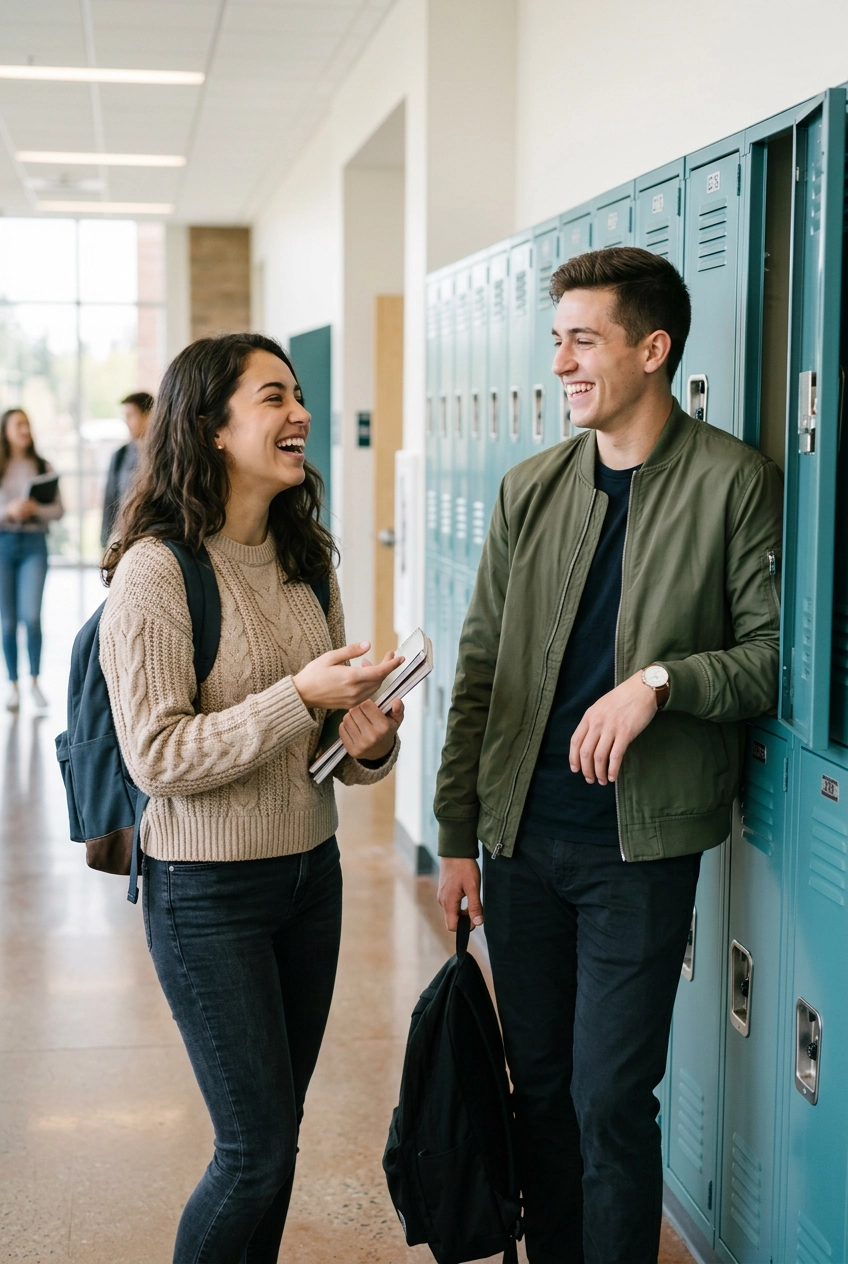
Attraction is rarely about a single garment; it is about the “Halo Effect.” This psychological phenomenon suggests that when we perceive one positive trait in a person—like a well-put-together appearance—our brains automatically attribute other positive traits to them, such as intelligence, kindness, or competence. In a school setting, dressing intentionally signals that you have your life in order. It shows you have the discipline to care for your appearance, which is a subtle but powerful social cue.
Moreover, what you wear influences your own behavior, a concept known as enclothed cognition. If you wear an outfit that makes you feel sharp and attractive, you are more likely to participate in class, initiate conversations with peers, and carry yourself with a relaxed spine. This internal shift in confidence is often more attractive than the clothes themselves. If you are looking for more ways to navigate these social waters, you might find it helpful to look into 10 Genuine Ways to Impress Your Crush (Without Even Trying Too Hard), as style is just the first layer of a much deeper connection.
Focus on these three pillars of visual attraction:
- Fit: Clothing that skims the body rather than drowning it or strangling it communicates self-awareness.
- Condition: Clean shoes and wrinkle-free fabrics suggest attention to detail.
- Intentionality: Adding one “intentional” piece—a watch, a unique belt, or a layered necklace—sets you apart from the crowd of baggy hoodies.
Building Your Daily Style Foundation
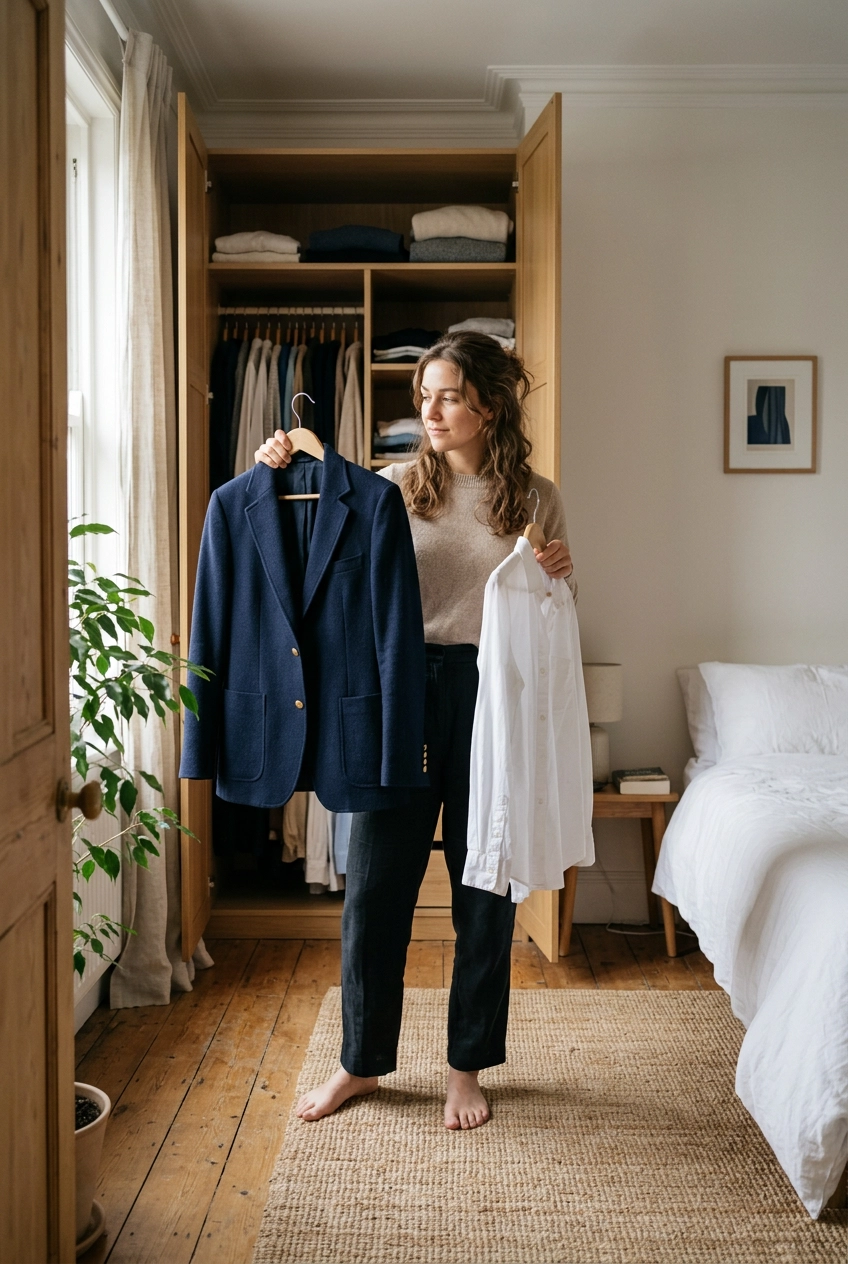
To look attractive every day without burning out, you need a wardrobe that works like a machine. You don’t need a massive collection; you need a versatile one. High-attraction school style relies on “elevated basics.” This means instead of a thin, faded t-shirt, you opt for a heavyweight cotton tee with a structured neckline. Instead of worn-out leggings, you choose high-quality flared yoga pants or tailored joggers that offer both comfort and a clean silhouette.
Color choice also plays a significant role in how others perceive you. While black is a safe choice, incorporating “approachable” colors like soft blues, earth tones, or forest greens can make you seem more open and friendly. If you want to stand out, find a “signature” color that complements your skin tone and hair. When you wear a color that makes your eyes pop, people are more likely to maintain eye contact with you, which is a fundamental building block of attraction.
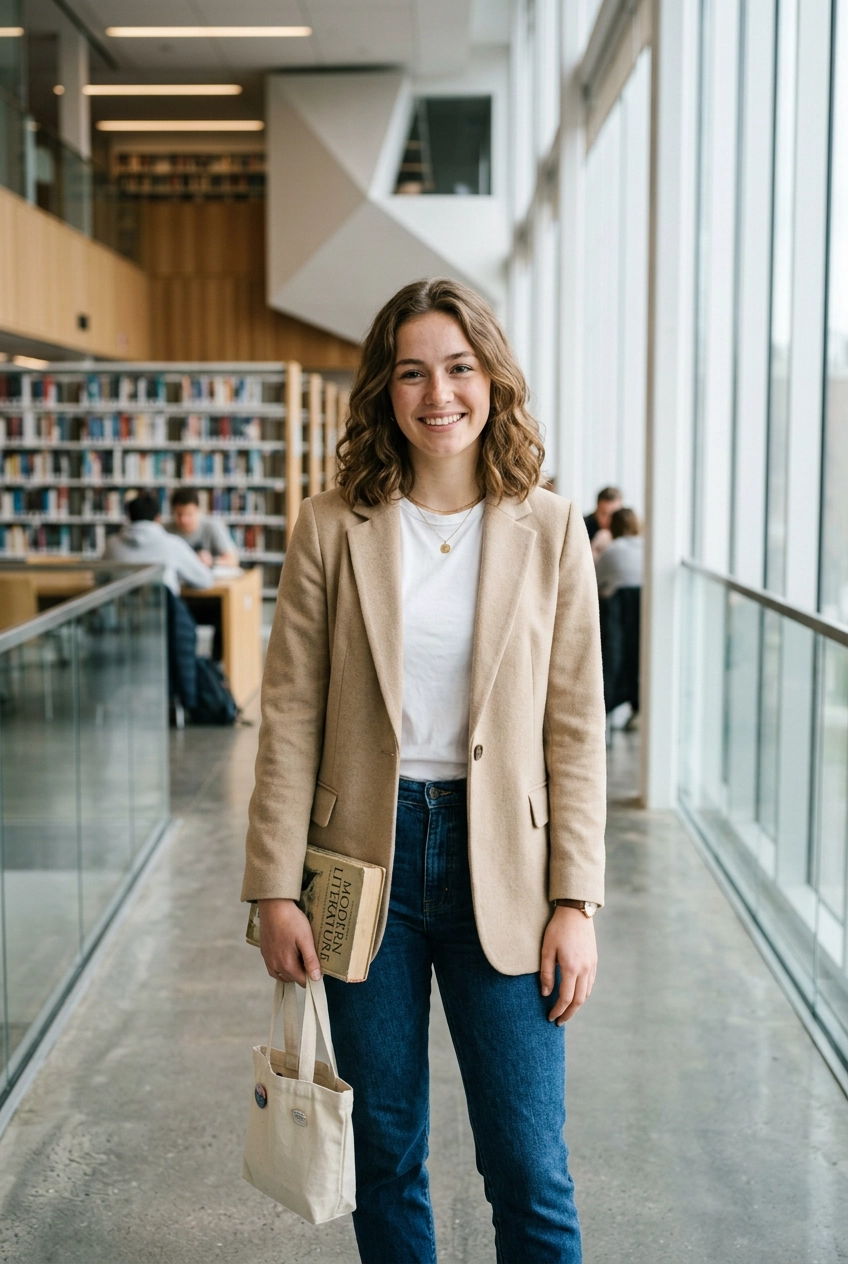
Consider the “Third Piece Rule” to instantly elevate any basic school outfit. This rule suggests that an outfit consisting of a top and a bottom is just “clothes,” but adding a third piece—a denim jacket, an unbuttoned flannel, a structured cardigan, or even a bold scarf—makes it an “outfit.” This extra layer adds visual interest and suggests you put thought into your presentation.
Five Aesthetic Formulas for High-Impact School Days
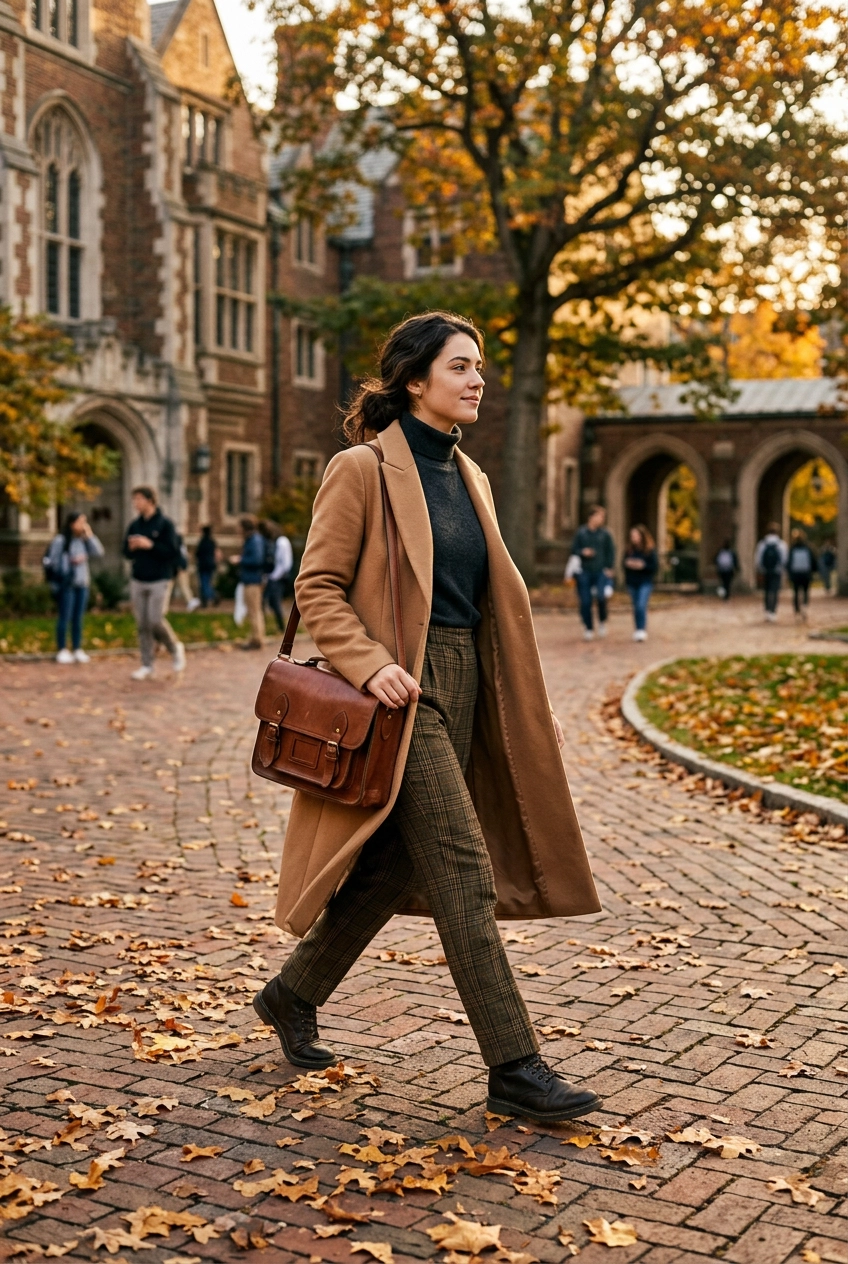
Sometimes the hardest part of looking attractive is the decision fatigue of the early morning. Having pre-set “formulas” allows you to look great even when you are running late. Here are five reliable aesthetics that balance school appropriateness with high style:
1. The “Dark Academia” Intellectual
This look leans into the scholarly environment. Think turtlenecks, pleated trousers, loafers, and neutral tones like espresso, charcoal, and cream. It communicates mystery and intelligence, traits that are highly attractive in an academic setting.
2. The “Clean Girl/Boy” Minimalist
This aesthetic is all about grooming and fit. It features matching sets, crisp white sneakers, gold or silver minimalist jewelry, and neutral colors. The key here is looking “fresh”—hair is neatly styled, and clothes are perfectly laundered.
3. The Elevated Streetwear Look
Streetwear is great for school because it’s comfortable. To make it attractive, avoid the “sloppy” look. Pair oversized hoodies with structured cargo pants or a slim-fit beanie. Use high-heat sneakers as the focal point, ensuring they are clean and well-maintained.
4. The Modern Preppy
A contemporary take on classic ivy league style. Think quarter-zip pullovers, chinos or tennis skirts, and button-downs worn under sweaters. This look is timeless and signals that you are ambitious and approachable.
5. The Effortless “Cool” Edgy
A vintage band tee, well-fitted black jeans, and a high-quality leather or denim jacket. This look works because it feels authentic and slightly rebellious, which can be very magnetic when paired with a kind and confident personality.
Key Takeaways & Action Steps
- Prioritize Fit Over Brand: A $10 t-shirt that fits your shoulders perfectly looks better than a $100 designer shirt that is too big.
- Master the Third Piece: Always add a jacket, sweater, or accessory to complete the look.
- Focus on Grooming: No outfit can compensate for messy hair or neglected hygiene. Consistency is key.
- Internalize Confidence: Use your clothes as a tool to feel better, then let that feeling drive your social interactions.
- Plan Ahead: Lay out your clothes the night before to avoid the “panic-dressing” that leads to sloppy choices.
The Role of Accessories and Grooming

The difference between a “fine” outfit and an “attractive” one often lies in the details. Accessories are the exclamation point of your style. A classic timepiece, a pair of subtle earrings, or a high-quality backpack can change the entire vibe of your look. In school, your bag is a constant part of your silhouette; choosing a sleek leather bag or a structured canvas rucksack over a floppy, overstuffed nylon one makes a massive difference in your overall polish.
Grooming is the non-negotiable partner to school style. You could be wearing the most stylish outfit in the world, but if your hair looks unwashed or your skin isn’t cared for, the effect is lost. Developing a simple, consistent routine—moisturizing, keeping nails tidy, and finding a subtle “signature” scent—creates an aura of cleanliness that is fundamentally attractive. Be careful with fragrance; in a crowded classroom, less is always more. A scent should be discovered when someone stands near you, not announced before you enter the room.
As you start building these habits, you might find your social circle expanding. Being more noticeable can lead to new relationships, which is why it’s a good idea to understand 15 Relationship Habits Successful Couples Swear By for Lasting Love even early on, so you are prepared for the connections your new confidence might bring. Similarly, if your new style leads to more dates, being thoughtful about your budget is important; check out 10 Heartfelt Birthday Gifts for Your Boyfriend on a Budget for inspiration on meaningful, low-cost gestures.
Navigating Social Dynamics Through Style
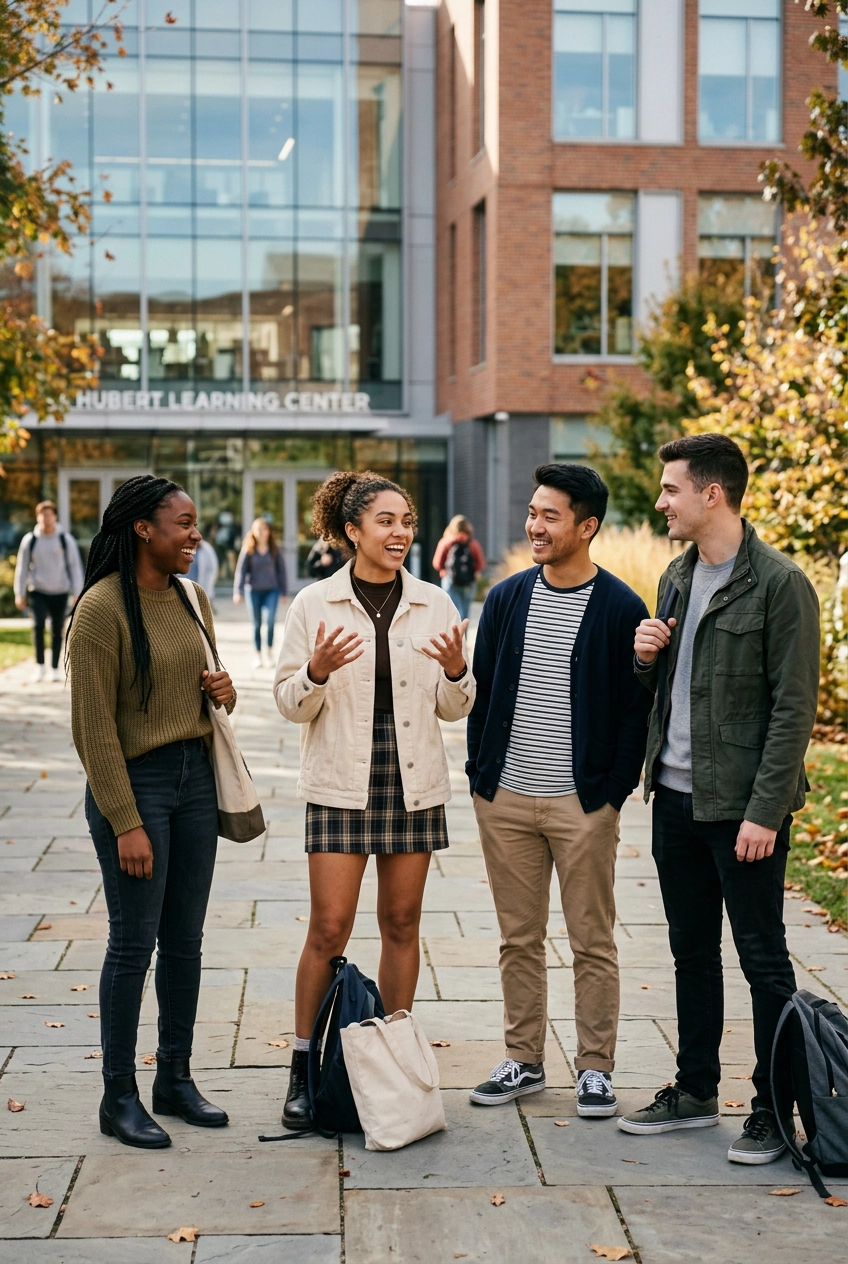
One of the biggest anxieties about changing your style is the fear of being “too much.” You might worry that your friends will comment on you dressing up or that you’ll feel out of place. The secret to navigating this is “gradual elevation.” You don’t need to show up in a three-piece suit on Monday. Instead, swap your hoodie for a crewneck sweater. The next week, swap your beat-up sneakers for clean leather ones. By slowly raising your baseline, you allow people to get used to the “new you” without it feeling like a costume.
Style also acts as a social filter. When you dress in a way that truly reflects your interests—whether that’s through a specific subculture aesthetic or a very polished, professional look—you attract like-minded people. It becomes a conversation starter. Someone might ask where you got your jacket or comment on your shoes, providing an easy opening for a new friendship or a romantic connection.
Remember that the goal of being “attractive” at school isn’t just about turning heads; it’s about being the person people want to be around. Your clothes should make you more approachable, not more intimidating. Keep a smile ready, maintain open body language, and use your style as the tool that opens the door for your personality to shine through.
Common Style Questions and Anxieties
How do I look attractive if I have a limited budget?
Focus on “cost-per-wear.” Instead of buying five cheap, trendy shirts that will lose their shape after two washes, buy one high-quality, perfectly fitting white t-shirt. Thrift stores are also gold mines for unique jackets and high-quality vintage denim. Looking expensive is rarely about the price tag; it’s about the fit and how well you maintain the fabric.
What if my school has a strict dress code or uniform?
In a uniform environment, attraction is found in the “micro-details.” Ensure your uniform is perfectly tailored—a slight taper in the trousers or a shortened hem on a skirt can make a world of difference. Focus heavily on grooming, your hair, your choice of footwear (if allowed), and the quality of your backpack and stationery. Your personality and confidence have to work a little harder when your clothes are identical to everyone else’s.
Is it possible to be “too” stylish for school?
The only time style becomes a negative is when it hinders your ability to be a student. If you can’t sit comfortably in a lecture or walk to your next building because of your clothes, you’ve gone too far. The most attractive school style is always functional. It should look like you just happened to look this good, not like you spent four hours preparing for a 9:00 AM chemistry class.
How do I find my “personal style” when I like everything?
Start with a mood board. Save images of outfits that make you feel something. After a few weeks, you’ll notice patterns—maybe you’re drawn to earthy colors, or perhaps you prefer sharp, monochromatic looks. Pick one “vibe” and try to stick to it for a month. This builds consistency, which is a key component of a recognizable and attractive personal brand.
Your Path to Style Confidence
Mastering school style is a journey of self-discovery rather than a destination you reach with a single purchase. It requires a willingness to experiment, a bit of bravery to stand out, and the discipline to care for the details. By focusing on fit, grooming, and intentional outfit formulas, you transform your morning routine from a chore into a powerful act of self-respect. This shift in perspective is what ultimately makes you more attractive to those around you.
As you head into your next semester, remember that the most magnetic thing you can wear is an authentic sense of self. Let your clothes be the support system for your ambitions and your social life. When you look in the mirror and like the person looking back, that confidence radiates outward, drawing in the right people and opportunities. Start with one small change tomorrow—perhaps a better-fitting shirt or a new way of styling your hair—and watch how the world responds to the more confident, stylish version of you.

At Heart Notes, we believe that feelings are powerful, stories heal, and the right words can touch a heart in ways nothing else can. Whether it’s love, heartbreak, self-growth, friendship, or those late-night thoughts you can’t explain — we write about it all.