7 Texting Mistakes That Sabotage Your Connection (And How to Fix Them)
The Digital First Impression Beyond the First Date
In the intricate dance of modern romance, the initial exchange of numbers often feels like a victory. You’ve made it past the first hurdle. Now, the real test begins: the text message. This isn’t just about keeping in touch; it’s about building anticipation, revealing your personality, and subtly assessing compatibility. It’s the digital handshake that can either open doors or close them before you even realize they were there. Many find themselves navigating this space with a mix of hope and anxiety, wondering if their messages are landing as intended. Are you coming across as interested, or just… available? Confident, or overbearing? Thoughtful, or thoughtless? Mastering this early stage of communication is less about clever pickup lines and more about demonstrating genuine intent and respect. It’s about showing up as your best self, digitally.

Mistake 1 The Emoji Overload
Emojis have become an indispensable part of our digital lexicon, adding nuance, emotion, and personality to otherwise flat text. A well-placed smiley can soften a potentially blunt statement, a wink can convey playful flirtation, and a thumbs-up can signal agreement. However, like a spice that can elevate a dish or overpower it, emojis require a delicate hand. When texting someone you’re keen to impress, an excessive use of emojis can inadvertently convey immaturity or a lack of seriousness. Imagine trying to discuss something important, only to have every other sentence punctuated by a cascade of grinning faces, winks, or enthusiastic gestures. It can feel performative and undermine the sincerity of your words. Your goal is to be perceived as a mature, confident individual. Bombarding their inbox with a rainbow of icons might, unfortunately, suggest the opposite, making you appear less put-together than you are. While a single, strategic emoji can enhance a witty remark or add a touch of lightheartedness, a relentless stream of them can dilute your message and distract from the substance of what you’re actually trying to say. It’s about adding flavor, not drowning the meal.
Mistake 2 The Vague and Non-Committal Text
There’s a fine line between being cool and being unclear. When you’re first getting to know someone, vague texts can leave the other person guessing your intentions. Messages like “Hey,” “What’s up?” or “Thinking of you” are so open-ended that they demand significant effort from the recipient to initiate a real conversation. This puts the onus entirely on them to drive the interaction forward. While it might seem low-pressure, it can also feel disengaged. If you’re genuinely interested, show it. Instead of a generic “Hey,” try something that invites a specific response or offers a glimpse into your day. For instance, “Hey, just finished a great book, reminded me of that author you mentioned. Have you read anything new lately?” This provides context, shows you remember details, and offers a clear path for conversation. It’s about being intentional, not just sending a signal that you’re breathing.

Mistake 3 The Rapid-Fire Response Expectation
In our hyper-connected world, it’s easy to fall into the trap of expecting immediate replies. You send a text, and within minutes, you’re checking your phone again, wondering why there’s no response. This can lead to anxiety and, worse, the temptation to send follow-up texts that can come across as needy or impatient. Remember, the person you’re texting has their own life, commitments, and schedule. They might be in a meeting, commuting, or simply enjoying a moment offline. Unless it’s an urgent matter, give them space and time to respond. A healthy communication dynamic is built on mutual respect for each other’s time and presence. Instead of fixating on response times, focus on the quality of the conversation when it happens. If you find yourself constantly checking your phone or feeling agitated by a delayed response, it might be a sign to put your own phone down and engage with your immediate surroundings.
Mistake 4 Ghosting or Slow-Fading Without Explanation
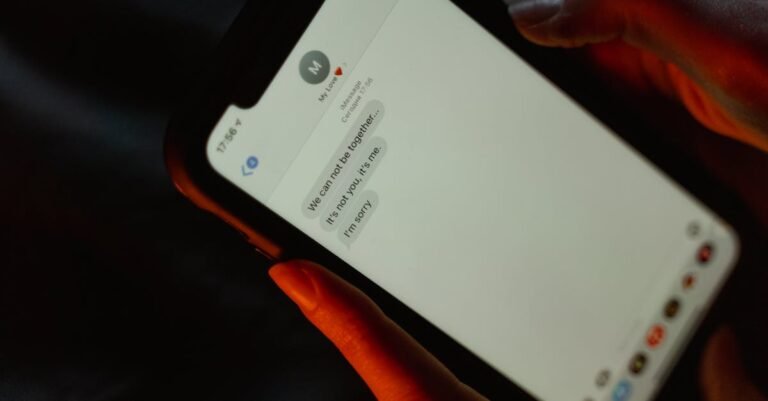
While not directly about sending messages, the absence of them speaks volumes. Ghosting – abruptly cutting off all communication without any explanation – is a common and hurtful practice in modern dating. Similarly, slow-fading, where responses become progressively shorter and less frequent until communication ceases, can be equally confusing and demoralizing. If you’ve decided you’re no longer interested, or if the connection isn’t developing as you’d hoped, a brief, kind message is far more respectful than silence. Something simple like, “It was nice getting to know you, but I don’t think we’re the right fit romantically. I wish you all the best,” can spare the other person unnecessary confusion and hurt. This demonstrates emotional maturity and respect for the time and energy they invested in getting to know you. It’s about closing a chapter with grace, not slamming the door shut.

Mistake 5 Over-Sharing Too Soon
The intimacy of texting can sometimes lead to oversharing personal details or emotional baggage before a solid foundation of trust has been built. While authenticity is crucial, there’s a time and place for deep conversations. Dumping heavy emotional content or extremely personal stories in the early stages of texting can be overwhelming for the other person. It can feel like an unfair burden, especially if they don’t yet have a strong sense of who you are or whether they can trust you with such vulnerability. Think of it like building a house: you start with a strong foundation before adding the intricate details of the interior. In texting, this means starting with lighter topics, sharing interests, and gradually moving towards deeper subjects as the connection grows and mutual trust is established. Keep the initial conversations engaging, positive, and focused on getting to know each other’s surface-level preferences and experiences.
Mistake 6 Neglecting the Power of the Follow-Up
You’ve had a great conversation, maybe even a promising first date. Now what? The follow-up text is crucial for reinforcing your interest and keeping the momentum going. A simple, timely message after a date or a significant interaction can make a big difference. For example, a text the next morning saying, “I had a really wonderful time last night. I especially enjoyed [mention a specific shared moment or topic]. I’d love to do it again soon,” is far more effective than waiting days or assuming they’ll reach out. It shows you were engaged, you’re thinking of them, and you’re keen to continue the connection. This isn’t about playing games; it’s about clear, confident communication that signals your genuine interest and respect for the budding relationship.
Mistake 7 Making It All About You
A conversation, whether in person or via text, is a two-way street. If your messages are consistently focused on your own experiences, achievements, or problems without inquiring about the other person, it can come across as self-absorbed. Genuine connection involves curiosity and a willingness to listen and learn about the other person. Ask open-ended questions, show interest in their day, their passions, and their perspectives. When they share something, engage with it. Respond thoughtfully, ask follow-up questions, and share relevant experiences of your own without hijacking the conversation. Remember, the goal is to build rapport and understand who they are. A balanced exchange, where both individuals feel heard and valued, is the hallmark of a healthy connection.
Cultivating Intentional Digital Dialogue
Texting is a powerful tool in the early stages of dating, but it’s one that requires mindfulness and intention. By avoiding common pitfalls like emoji overload, vague messaging, demanding immediate responses, disappearing without a trace, oversharing too soon, neglecting follow-ups, and dominating the conversation, you create space for a more authentic and respectful connection to flourish. It’s about using your words wisely, showing genuine interest, and treating the other person with the consideration they deserve. When your texts are thoughtful, clear, and considerate, you’re not just sending messages; you’re building bridges towards a potentially meaningful relationship.

At Heart Notes, we believe that feelings are powerful, stories heal, and the right words can touch a heart in ways nothing else can. Whether it’s love, heartbreak, self-growth, friendship, or those late-night thoughts you can’t explain — we write about it all.