7 Exact Text Messages to Send When You Don’t Know How to Apologize
The silence after a fight is the loudest sound in the world.
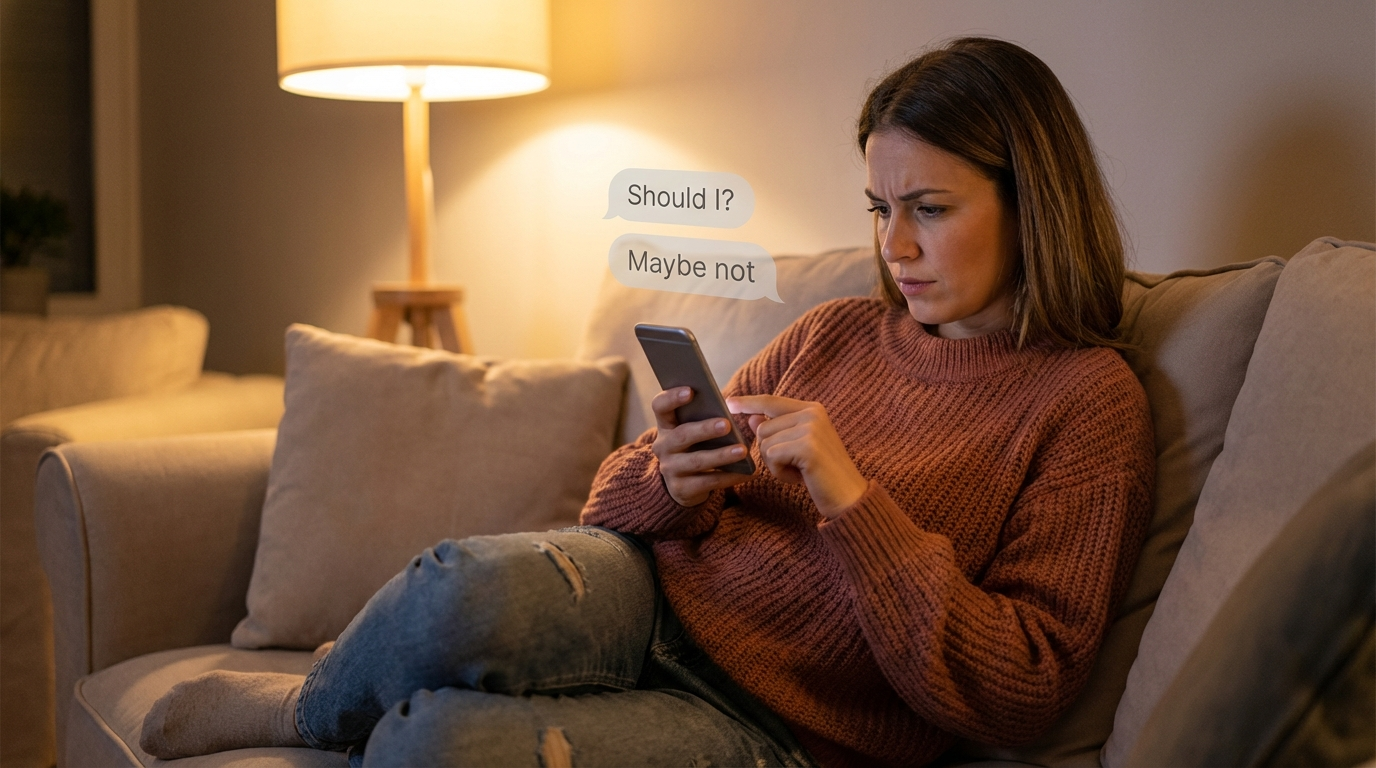
You know the feeling. You are sitting in the other room, staring at your phone. You know you should reach out. You know things went too far. But your pride is sitting on your chest like a heavy weight, whispering, “Don’t you dare text him first.”
Apologizing is hard. It feels like losing. It feels like admitting you were 100% wrong, even if you think you were only 40% wrong.
But here is the truth: Reaching out first doesn’t mean you are weak. It means you value the relationship more than your ego.
Sometimes, you just need to break the ice. You need a way to open the door without fully walking through it yet. That is where a thoughtful text message comes in. It gives your partner time to process without the pressure of a face-to-face confrontation.
If you are staring at a blinking cursor wondering what to say, here are 7 scripts I’ve used to fix things when I didn’t have the courage to call.

The “Ice Breaker” Texts
These are for when you aren’t ready to have a deep conversation yet, but you want to stop the cold war.
1. The “I Hate Fighting” Text
Use this when the argument was stupid and you just want it to be over.
“I hate that we’re fighting. I miss you. Can we hit reset and try talking about this again later when we’re both calmer?”
Why it works: It reminds them that you are on the same team. It separates the fight from the relationship.
2. The “Ownership” Text
Use this when you know you messed up, but you’re scared they are still mad.
“I’ve been thinking about what happened, and I realize I was out of line. I’m sorry I snapped at you. You didn’t deserve that.”
Why it works: It’s brave. It doesn’t make excuses. It just owns your part of the mess. (Notice I didn’t say, “I’m sorry but you made me mad.” Never add the “but.”)
The “After the Pause” Texts
If you used the Pause Button method (which I wrote about in my last post), these are the texts to send when the time is up.
3. The “Soft Re-Entry” Text
Use this to check the temperature of the room.
“I’m feeling a lot calmer now. I’ve had some time to think. Are you ready to talk, or do you need a little more space? No rush.”
Why it works: It respects their boundaries. It shows you are emotionally regulated and safe to talk to again.
4. The “Vulnerable” Text
Use this when the fight was actually about an insecurity you have.
“I’m sorry I got so defensive earlier. I wasn’t really mad about the dishes—I was just feeling really overwhelmed and unappreciated, and I took it out on you. I’m sorry.”
Why it works: It explains the “Why” behind your anger. It invites compassion instead of more defensiveness.
The “Big Apology” Texts
5. The “I Heard You” Text
Use this when your partner felt ignored.
“I’ve been replaying our conversation, and I think I finally understand what you were trying to tell me. I wasn’t listening before, but I want to listen now. Can we try again?”
Why it works: Most fights happen because people don’t feel heard. Telling them “I get it now” is the most powerful apology there is.
6. The “Action Plan” Text
Use this for repeat offenses (like being late or forgetting things).
“I am so sorry I let you down again. I know ‘sorry’ doesn’t mean much if I keep doing it. I’ve set a reminder on my phone so this won’t happen next time. I love you.”
Why it works: An apology without change is just manipulation. This text promises action.
The One Text You Should NEVER Send
Please, I beg you, delete this from your brain:
“I’m sorry if I hurt your feelings.”
The word “if” destroys the apology. It implies that maybe you didn’t hurt them, or that they are being too sensitive. It’s a non apology. Always replace “if” with “that.” “I’m sorry that I hurt your feelings.”
Final Thoughts
Sending the text is just the first step. It opens the door. But once you see each other, you still have to do the work. You still have to hug, listen, and repair the damage.
But sending that first text? That’s the bravest part.
Tell me in the comments: Which of these is the hardest for you to say? I personally struggle with #5—admitting I wasn’t listening is tough!

At Heart Notes, we believe that feelings are powerful, stories heal, and the right words can touch a heart in ways nothing else can. Whether it’s love, heartbreak, self-growth, friendship, or those late-night thoughts you can’t explain — we write about it all.