Beyond the Miles: What Truly Strains Long-Distance Relationships
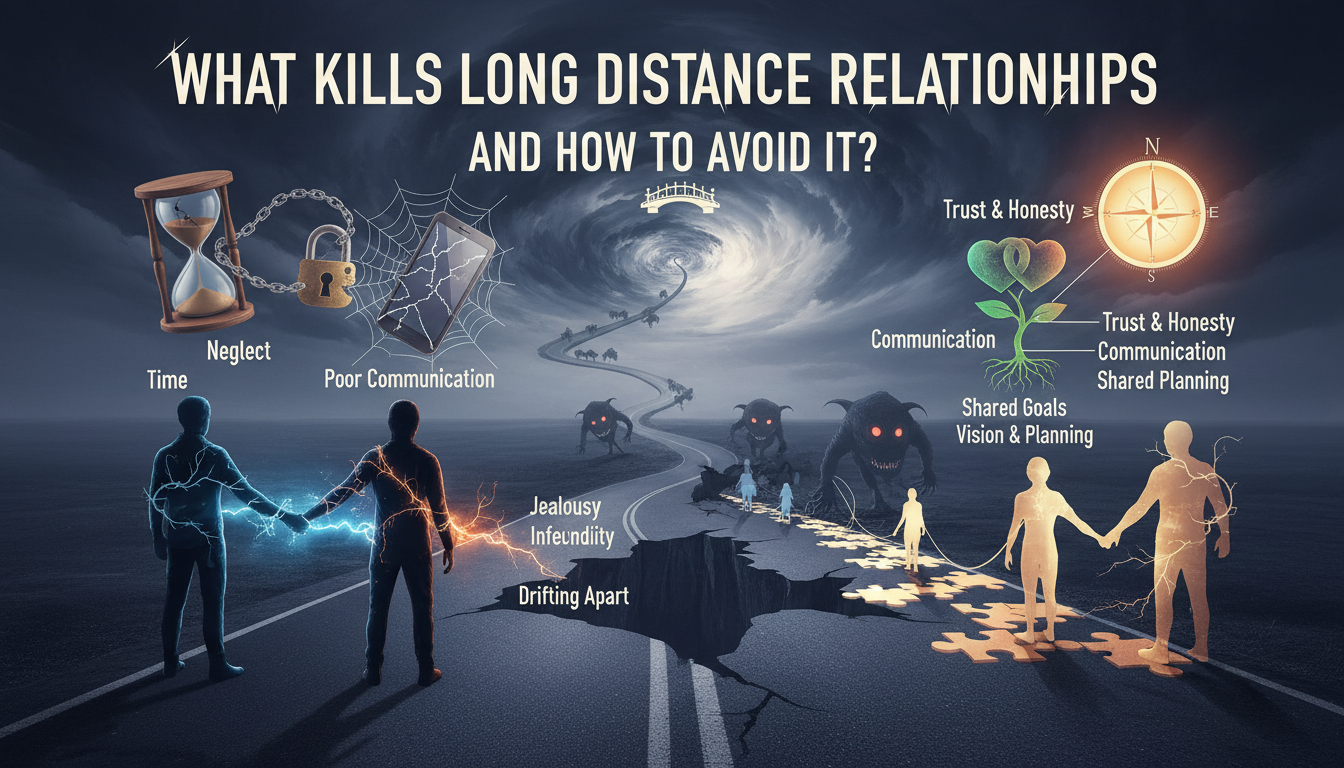
When two people in love find themselves living in different cities or even continents, the immediate concern is always the physical distance. It looms large, a tangible barrier that seems to test the very foundations of their bond. But for many couples, the actual miles are only one part of the story. The truth is, long-distance relationships rarely end because of geography alone. They falter, instead, when smaller, persistent issues go unaddressed, creating an emotional distance that is far more difficult to bridge.
It’s a common misconception that if you just love each other enough, distance will simply melt away. Yet, even the deepest affection can be strained by unmet needs, unspoken expectations, and a gradual erosion of shared reality. Understanding these subtle, often insidious, forces is the first step in safeguarding a relationship that spans the map.
The Illusion of Constant Connection
In our hyper-connected world, it’s easy to fall into the trap of believing that constant communication equates to deep connection. We text throughout the day, share snippets of our lives on social media, and assume that these frequent interactions keep us close. But often, this flurry of digital activity remains on the surface, failing to delve into the richer, more vulnerable aspects of a relationship.
When conversations become a series of quick updates or pleasantries, without venturing into the day’s deeper challenges, joys, or frustrations, a crucial layer of intimacy begins to thin. It’s easy to exchange “good morning” and “good night” messages, or to react to a shared meme, but much harder to truly articulate a bad day at work, a quiet worry, or a complex family dynamic. This avoidance of genuine emotional sharing, disguised as constant availability, can leave both partners feeling alone, despite being in touch all the time.
The Erosion of Shared Reality
One of the quietest killers of long-distance love is the gradual loss of a shared sense of daily life. When you’re not physically present, you miss the small, mundane moments that weave the fabric of a relationship: the shared laughter over a silly incident, the comforting silence during a commute, the knowing glance across a room. Over time, these missed moments can make partners feel like they are living increasingly separate lives.
It’s not enough to simply recount your day. True connection in distance requires active effort to immerse yourselves in each other’s realities. This means asking thoughtful follow-up questions, remembering the names of colleagues or friends, and genuinely listening to the nuances of their experiences. Without this intentional effort, partners can become mere reporters of their lives, rather than active participants in each other’s worlds. The gap widens not because of miles, but because the intimate details that form a couple’s unique narrative are no longer truly shared.
The Weight of Unspoken Expectations and Unresolved Conflicts
Every relationship carries a set of unspoken expectations, and in long-distance connections, these can become particularly heavy. One partner might secretly expect daily video calls, while the other believes a few calls a week are sufficient. One might anticipate spontaneous gestures, while the other relies on planned interactions. When these differing expectations are not openly discussed, they lead to quiet disappointment and a sense of being perpetually let down.
Similarly, the tendency to avoid conflict, especially when distance makes resolution seem harder, can be detrimental. Some couples might believe that arguing from afar is unproductive or too emotionally draining, choosing instead to let minor grievances slide. However, these unresolved issues don’t disappear; they accumulate, forming a thick layer of resentment and passive aggression. A healthy relationship, even a long-distance one, needs space for disagreements to be aired, discussed, and resolved constructively. Silence, in this context, is not peace; it’s a slow poison.
The Shadow of Insecurity and Lingering Doubts
Distance, by its very nature, can amplify insecurities. The absence of physical presence leaves more room for imagination, and often, that imagination veers towards doubt. A delayed text, a photo on social media with new friends, or a simple misinterpretation can quickly escalate into suspicion and anxiety if trust is not robustly maintained.
Jealousy and control, often rooted in personal insecurity, can manifest powerfully in long-distance relationships. Constant questioning, monitoring online activity, or guilt-tripping a partner for spending time with others are not signs of love; they are indicators of a profound lack of trust. For a relationship to thrive across miles, both partners must cultivate a deep sense of self-assurance and extend unwavering trust to one another. Transparency, consistent reassurance, and respecting each other’s individual lives become paramount.
The Absence of a Shared Future
Perhaps one of the most significant factors that can unravel a long-distance relationship is the lack of a clear, shared vision for the future. While immediate plans might be uncertain, a mutual understanding of an eventual goal – whether it’s moving to the same city, closing the distance within a specific timeframe, or even just a shared commitment to building a life together – provides hope and motivation.
Without this shared horizon, the effort required for a long-distance relationship can begin to feel pointless. Partners might start questioning the sacrifices, the emotional strain, and the deferred gratification if there’s no clear end in sight. Even a flexible plan, subject to change, is infinitely more sustaining than a vague, undefined future. It gives both individuals something tangible to work towards and to dream about together.
Cultivating Resilience in Distance
Navigating the complexities of a long-distance relationship requires intentionality and a willingness to adapt. Here are a few ways couples can build resilience:
- Schedule Intentional Conversations: Beyond quick updates, set aside time for deeper talks. Ask open-ended questions that invite vulnerability and genuine sharing.
- Share the Mundane: Don’t just save conversations for big events. Talk about the small, everyday things – a frustrating commute, a funny interaction at the market, a new recipe you tried. These details keep you connected to each other’s ordinary lives.
- Be Consistent, Not Just Intense: Small, consistent efforts (a thoughtful text, a quick voice note, remembering a detail from a previous conversation) often matter more than occasional grand gestures.
- Address Conflict Promptly and Respectfully: Don’t let issues fester. Find a calm time to discuss disagreements, focusing on understanding each other’s perspectives rather than winning an argument.
- Visit When Possible: While not always feasible, physical visits are crucial. They recharge the emotional battery, reinforce intimacy, and provide new shared memories.
- Support Individual Growth: Encourage each other’s hobbies, friendships, and personal goals. A strong individual identity makes for a stronger partnership.
Ultimately, a long-distance relationship is a profound act of faith and commitment. It demands an emotional maturity that recognizes physical proximity as a comfort, not a prerequisite for love. The true challenges lie not in the miles that separate you, but in the less visible gaps that can form between hearts and minds. By actively working to bridge these emotional distances with honesty, consistent effort, and a shared vision, couples can cultivate a bond that is not just enduring, but deeply enriching, regardless of where life takes them.

At Heart Notes, we believe that feelings are powerful, stories heal, and the right words can touch a heart in ways nothing else can. Whether it’s love, heartbreak, self-growth, friendship, or those late-night thoughts you can’t explain — we write about it all.